

Solution One:
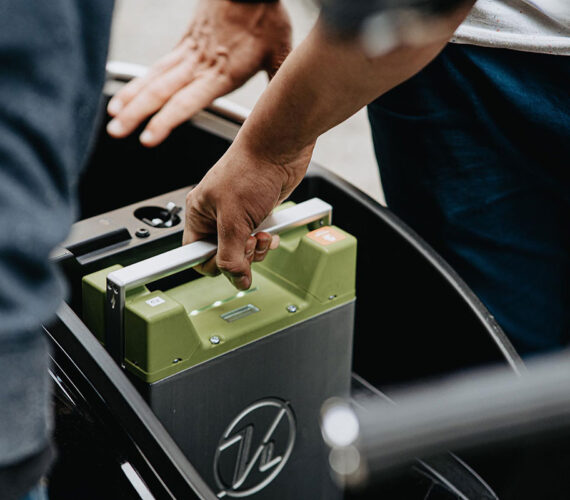
Smart Battery Management Systems (BMS)
Efficient energy storage ensures that electric vehicles can maximize their range and performance by optimizing the use of available power. Enhanced safety features in the battery management systems protect against overcharging, overheating, and short circuits, ensuring the reliability of the vehicle. Longer battery life reduces the frequency of replacements, offering cost savings and contributing to environmental sustainability.
Solution Two:
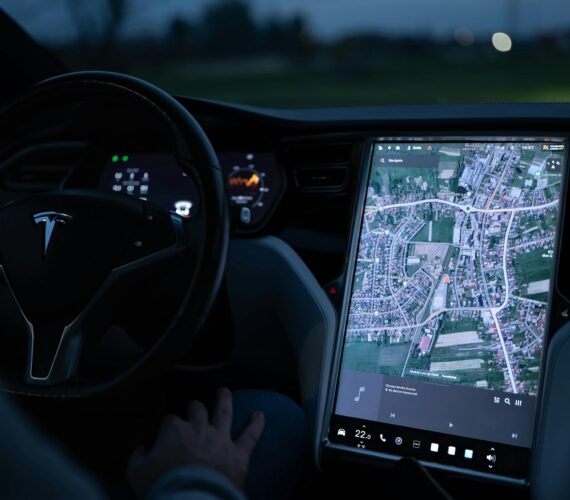
AI-Driven Vehicle Performance Optimization
Real-time monitoring provides continuous insights into the vehicle's performance, enabling precise adjustments to optimize speed and range. Advanced analytics use this data to identify patterns, predict energy consumption, and fine-tune operations for maximum efficiency. This dynamic approach ensures that electric vehicles deliver peak performance while minimizing energy wastage.

Solution Three:
Predictive Maintenance Tools
By leveraging IoT, electric vehicles can gather real-time data from sensors, enabling constant monitoring of key components and systems. Machine learning algorithms analyze this data to identify potential issues or irregularities before they escalate into major problems. This proactive approach minimizes downtime, reduces repair costs, and enhances the overall reliability and efficiency of the vehicle.